


 Send Inquiry
 08045812133

- Home Page
- Company Profile
-
Our Products
- Pharmaceutical Injections
- Phytomenadione 1 Mg injection
- Mecobalamin Injection
- Artemether injection
- Tigecyclin injection
- Doxycycline injection
- Levetiracetam Concentrate 100Mg Injection
- Methyl Prednisolone Succinate Injection
- Ceftriaxone 1 Gm injection
- Iron Sucrose 20 mg injection
- Neostigmine Gylcopyrolate injection
- L-Ornithine + L-Aspartate 5 Gm injection
- Noradrenaline 4 Mg Injection
- Alfa, Beta , Arteether 150 Mg Injection
- Ceftriaxone 1 Gm + Sulbactam 500 Mg injection
- Methylcobalamin 2500 Mcg Injection
- Methyl Prednisolone Acetate 40 Mg injection
- VELLCOBAL FORTE
- Azetreonam 500 Mg Injection
- Thiamine 100 mg Injection
- Piperacellin 4 Gm + Tazobactam 500 Mg
- Imipenem 500 Mg + Cilastatin 500 Mg Injection
- Doxofylline 10 Mg
- Ceftazidime 1 Gm Injection
- Vancomycin Hydrochloride 500 Mg
- Meropenem 500 Mg injection
- Thiocolchicoside 4 Mg
- Octreotide Acetate 50 Mcg Injection
- Magnesium Sulphate 500 Mg Injection
- Methyl Prednisolone Sodium Succinate 1 Gm
- Dexamethasone Sodium Phosphate 8 Mg
- Clindamycin 600 Mg + EDTA
- Hydrocortisone Sodium Succinate 100 Mg
- Tranexamic Acid 500 Mg
- Lignocaine + Adrenaline 2%
- Mephentermine Sulphate 30 Mg
- Ceftriaxone 500 Mg
- Esomeprazole 40 Mg
- Amoxycillin 1 Gm+Potassium Clavenic Acid 200 Mg
- Ceftriaxone 1000 Mg + Tazobactam 125 Mg
- Pharmaceutical Eye Drops
- Third Party Manufacturing
- Methyl Prednisolone Sodium Succinate Injection
- Gentamycin Sulphate injection
- Adrenaline Bitartrte injection
- Ascorbic Acid injection
- Drotavarin HCL Injection
- Phenytoin Sodium Injection
- Piperacellin Tazobactam injection
- Cholcalciferol (Viitamin D-3) Injection
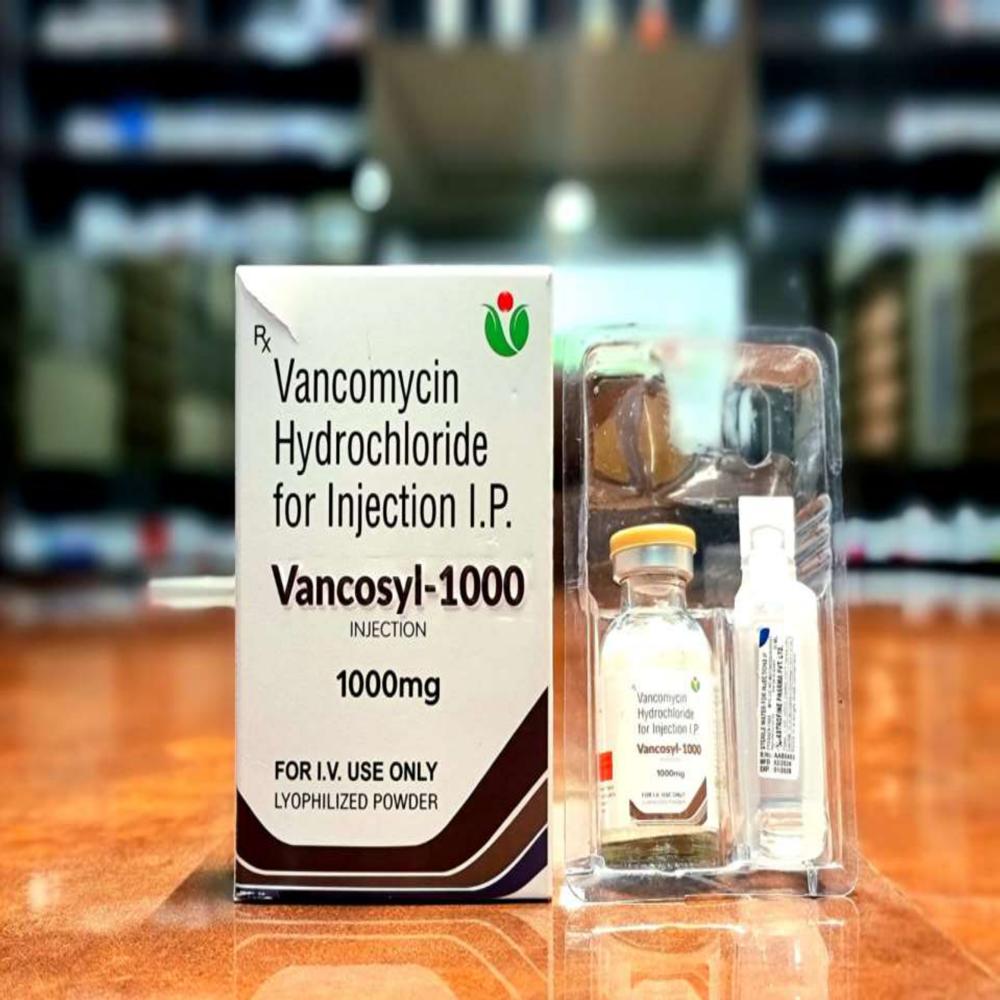
- Vancomycin Hydrochloride 1 Gm Injection
- Triamcinolone Acetonode 40 Mg Injection
- Cefoparazone 1 Gm + Sulbactam 500 Mg injection
- Paracetamol 300 mg / 2 ml Injection
- Diclofenac Sodium, Aqua injection
- Ketorolac injection
- Levocarnitine INJECTION
- Ceftriaxone + Tazobactam injection
- Clindamycin injection
- Amikacin Injection
- Labetalol Hcl 5 Mg Injection
- Acetycystein injection
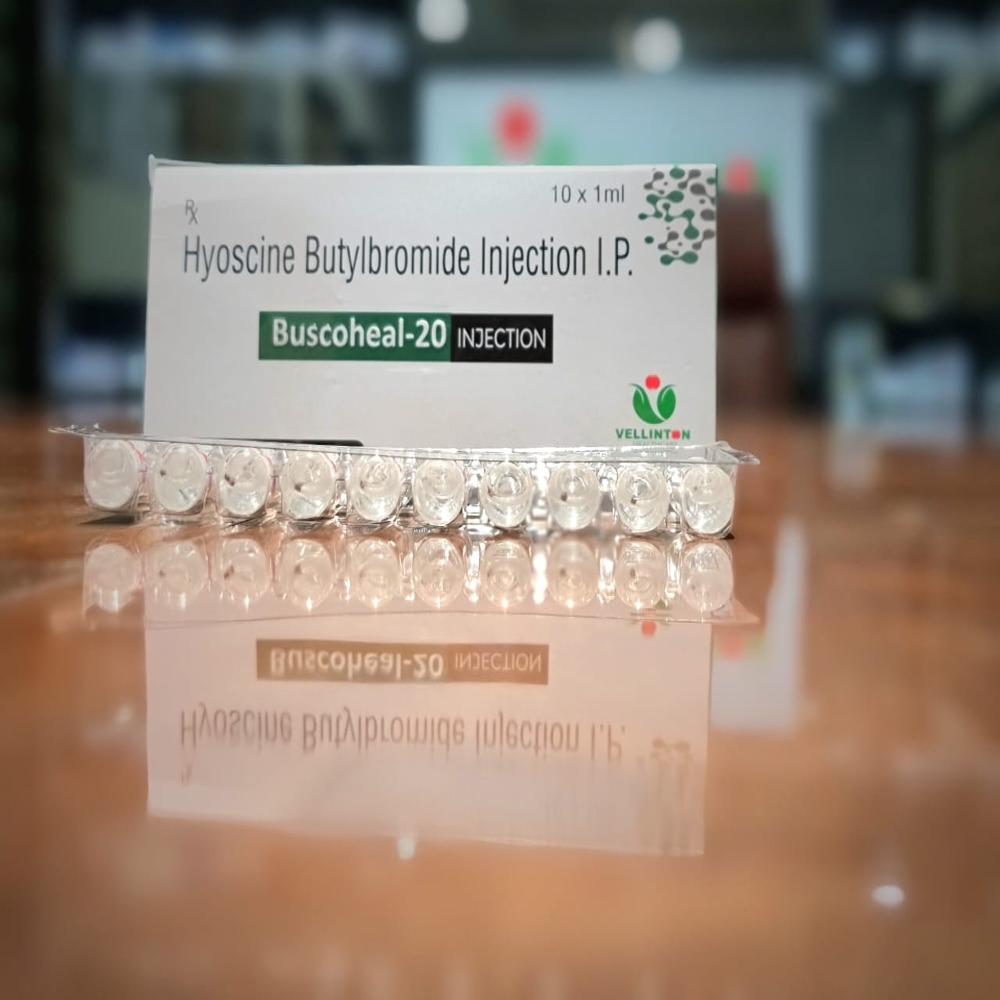
- Hyoscine Butyl Bromide injection
- Adenosine injection
- Third Party Manufacturing
- Azithromycin injection
- Digoxin injection
- Omeprazole Injection
- Citicoline Injection
- Ondenstrone injection
- Ranitidine injection
- Vitamin C 150 Mg+Methycobalamine 2500 Mcg + Folic acid 0.7 Mg + Nicotinamide 12 Mg injection
- Lignocaine Injection
- Meropenem Injection
- Cefuroxime 1.5 Gm Injection
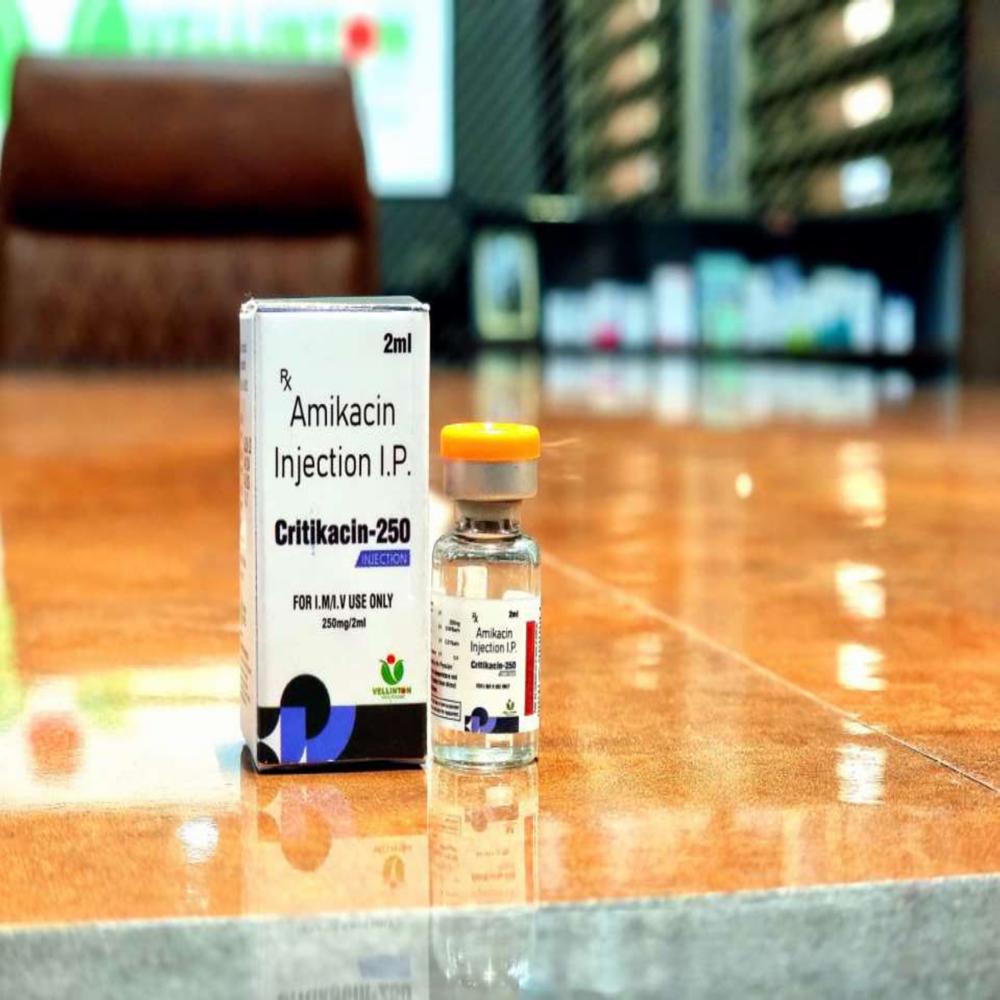
- Amikacin 250 Mg injection
- Amikacin 500 Mg Injection
- Cefotaxime 1000 Mg Injection
- Meropenem 1 Gm injection
- Diclofenac Sodium 50 Mg + Dicyclomine 20 MG injection
- Methyl Prednisolone 125 Mg Succinate
- Meropenem 250 Mg
- Best Injection Manufacturing Companies in india
- Pantoprazole Injection Manufacturer
- Third Party Pharma Manufacturing for Human Injecti
- Veterinary Products Range For Third Party Manufact
- PCD Pharma Franchise
- PCD Pharma Compines
- Lyophilized Injection Manufacturers in India
- Pharmaceutical Injections
- Third Party Manufacturing
- Manufacturing Company
- Our Divisions
- Contact Us

 Send Inquiry
Ranitidine injection
Price 25000.0 INR/ Box
MOQ : 10000 Boxes
Ranitidine injection Specification
- Generic Name
- Ranitidine
- Brand Name
- Ranitidine Injection
- Administration Route
- Intramuscular or Intravenous
- Composition
- Ranitidine Hydrochloride
- Storage Conditions
- Store below 25°C, protect from light
- Dosage Form
- Injection
- Standards
- IP/BP/USP
- pH Range
- 6.7 to 7.3
- Indications
- Peptic ulcer, Gastroesophageal reflux disease, Zollinger-Ellison syndrome
- Packaging Size
- 2 ml ampoule
- Shelf Life
- 24 months
- Strength
- 25 mg/ml
- Usage
- Antiulcer, gastric acid reducer
- Prescription/Non Prescription
- Prescription
- Type
- Injection
- Compatibility
- Compatible with most common intravenous solutions
- Color
- Clear, colorless to pale yellow
Ranitidine injection About
Precise Formulation and Reliable Standards
Ranitidine Injection is produced according to stringent IP/BP/USP standards to ensure quality and consistency. Its clear, colorless to pale yellow appearance and balanced pH range make it suitable for clinical use, supporting efficient treatment outcomes for gastric acid-related conditions.
Versatile Application in Gastric Care
This injection is indicated for a spectrum of acid-related disorders, including peptic ulcers, GERD, and Zollinger-Ellison syndrome. By effectively reducing gastric acid secretion, it promotes ulcer healing and symptom relief, providing vital support in both acute and chronic care environments.
FAQ's of Ranitidine injection:
Q: How should Ranitidine Injection be administered?
A: Ranitidine Injection is suitable for intramuscular or intravenous administration by a healthcare professional. Dosage and route depend on the patient's condition and medical advice.Q: What are the primary indications for using Ranitidine Injection?
A: It is prescribed for conditions such as peptic ulcers, gastroesophageal reflux disease (GERD), and Zollinger-Ellison syndrome, functioning as a potent gastric acid reducer.Q: When should the injection be used instead of oral medication?
A: Ranitidine Injection is typically used when rapid action is required or when patients cannot take oral medications due to gastrointestinal issues or during surgery.Q: Where should I store Ranitidine Injection ampoules for optimal shelf life?
A: The ampoules should be stored below 25C and protected from light to maintain a shelf life of up to 24 months.Q: What are the benefits of using Ranitidine Injection?
A: The injection offers fast and reliable acid suppression, helps heal ulcers, and provides symptom relief in serious gastric conditions, especially when oral treatment is impractical.Q: Is Ranitidine Injection compatible with other intravenous solutions?
A: Yes, it is compatible with most common intravenous solutions, facilitating its use in various clinical settings.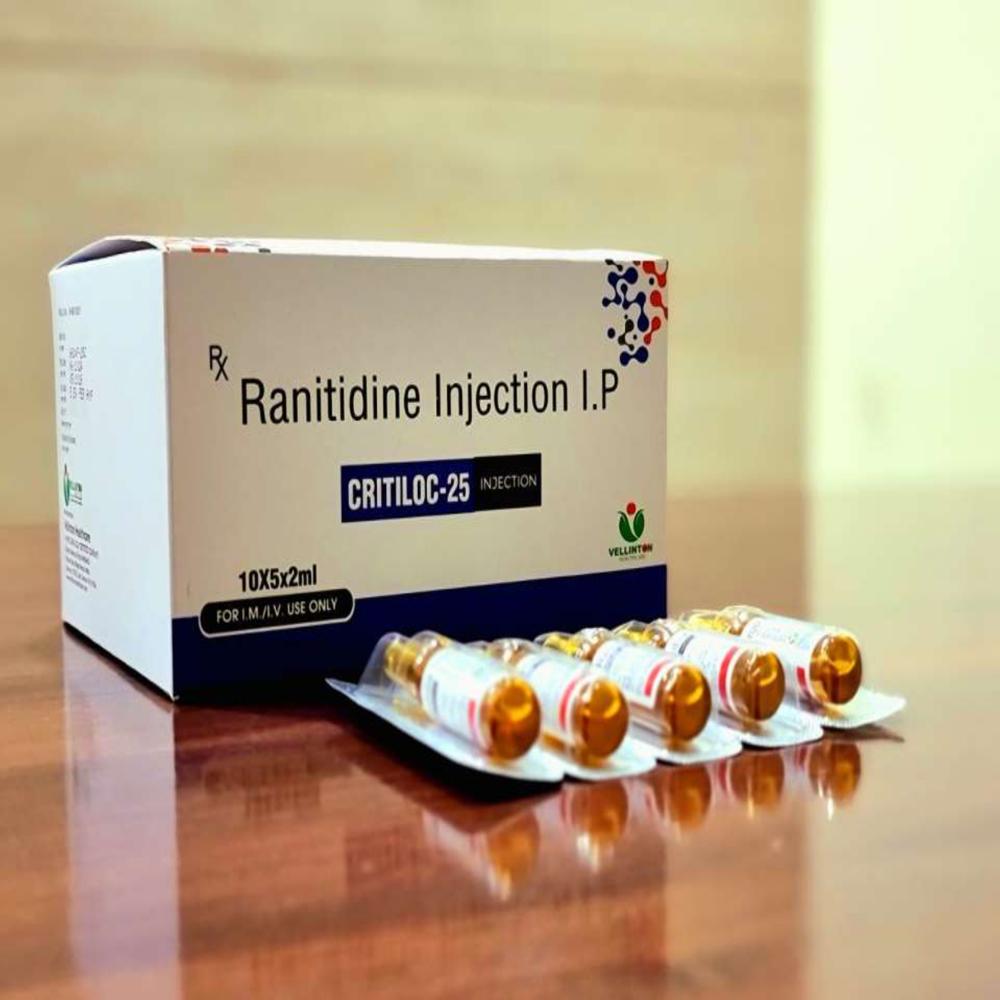
Tell us about your requirement

Price:
Quantity
Select Unit
- 50
- 100
- 200
- 250
- 500
- 1000+
Additional detail
Mobile number
Email

More Products in Third Party Manufacturing Category
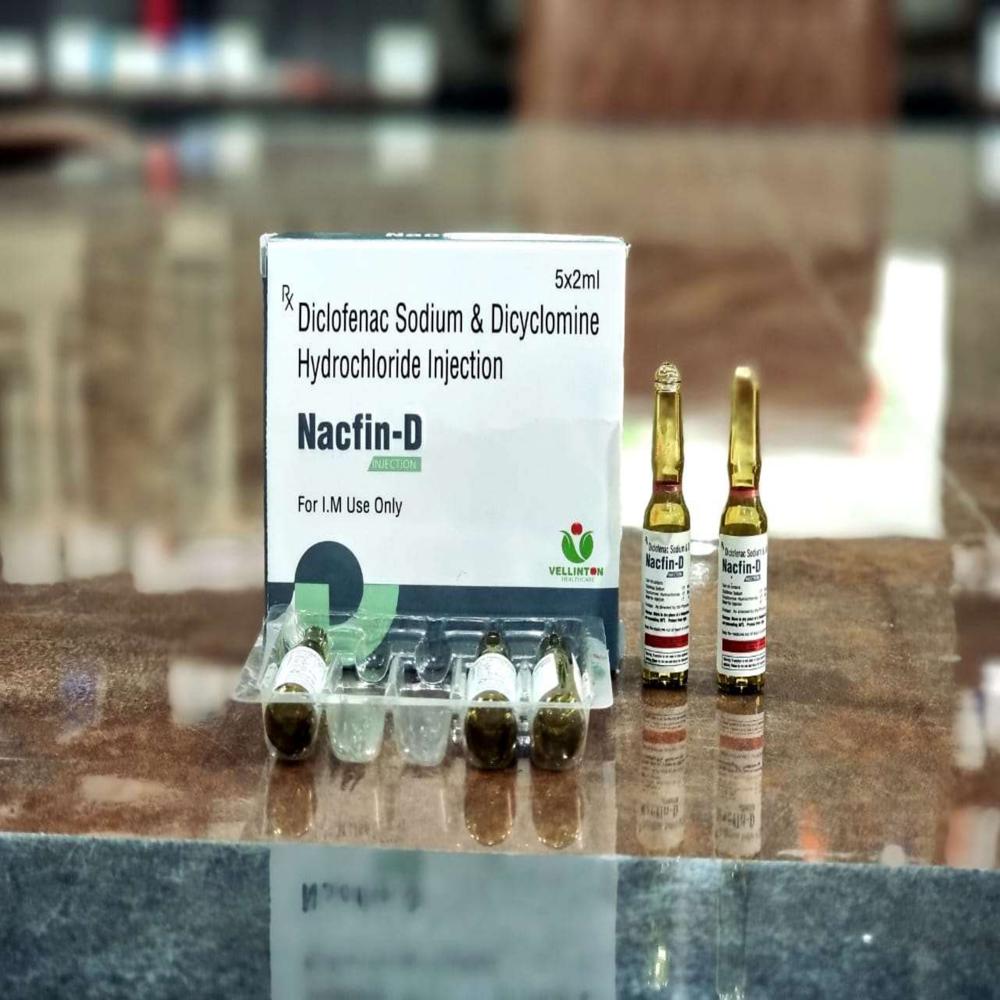
Diclofenac Sodium 50 Mg + Dicyclomine 20 MG injection
Price 30000.0 INR / Box
Minimum Order Quantity : 10000 Boxes

Contact Details
VELLINTON HEALTHCARE
Kala Amb, Himachal Pradesh, India

- Trilokpur Road, Near Bala Sundri Palace, District Sirmour,Kala Amb - 173030, Himachal Pradesh, India
- Phone :08045812133
- Email : vellinton.bio1@gmail.com

- Ms Anita Arora (Marketing Manager)
- Mobile :08045812133
- vellinton.bio1@gmail.com
 Send Inquiry
 Send Inquiry
 Send SMS
|


Register As New Dealer
 |
VELLINTON HEALTHCARE
All Rights Reserved.(Terms of Use) Developed and Managed by Infocom Network Private Limited. |
