


 Send Inquiry
 08045812133

- Home Page
- Company Profile
-
Our Products
- Pharmaceutical Injections
- Phytomenadione 1 Mg injection
- Mecobalamin Injection
- Artemether injection
- Tigecyclin injection
- Doxycycline injection
- Levetiracetam Concentrate 100Mg Injection
- Methyl Prednisolone Succinate Injection
- Ceftriaxone 1 Gm injection
- Iron Sucrose 20 mg injection
- Neostigmine Gylcopyrolate injection
- L-Ornithine + L-Aspartate 5 Gm injection
- Noradrenaline 4 Mg Injection
- Alfa, Beta , Arteether 150 Mg Injection
- Ceftriaxone 1 Gm + Sulbactam 500 Mg injection
- Methylcobalamin 2500 Mcg Injection
- Methyl Prednisolone Acetate 40 Mg injection
- VELLCOBAL FORTE
- Azetreonam 500 Mg Injection
- Thiamine 100 mg Injection
- Piperacellin 4 Gm + Tazobactam 500 Mg
- Imipenem 500 Mg + Cilastatin 500 Mg Injection
- Doxofylline 10 Mg
- Ceftazidime 1 Gm Injection
- Vancomycin Hydrochloride 500 Mg
- Meropenem 500 Mg injection
- Thiocolchicoside 4 Mg
- Octreotide Acetate 50 Mcg Injection
- Magnesium Sulphate 500 Mg Injection
- Methyl Prednisolone Sodium Succinate 1 Gm
- Dexamethasone Sodium Phosphate 8 Mg
- Clindamycin 600 Mg + EDTA
- Hydrocortisone Sodium Succinate 100 Mg
- Tranexamic Acid 500 Mg
- Lignocaine + Adrenaline 2%
- Mephentermine Sulphate 30 Mg
- Ceftriaxone 500 Mg
- Esomeprazole 40 Mg
- Amoxycillin 1 Gm+Potassium Clavenic Acid 200 Mg
- Ceftriaxone 1000 Mg + Tazobactam 125 Mg
- Pharmaceutical Eye Drops
- Third Party Manufacturing
- Methyl Prednisolone Sodium Succinate Injection
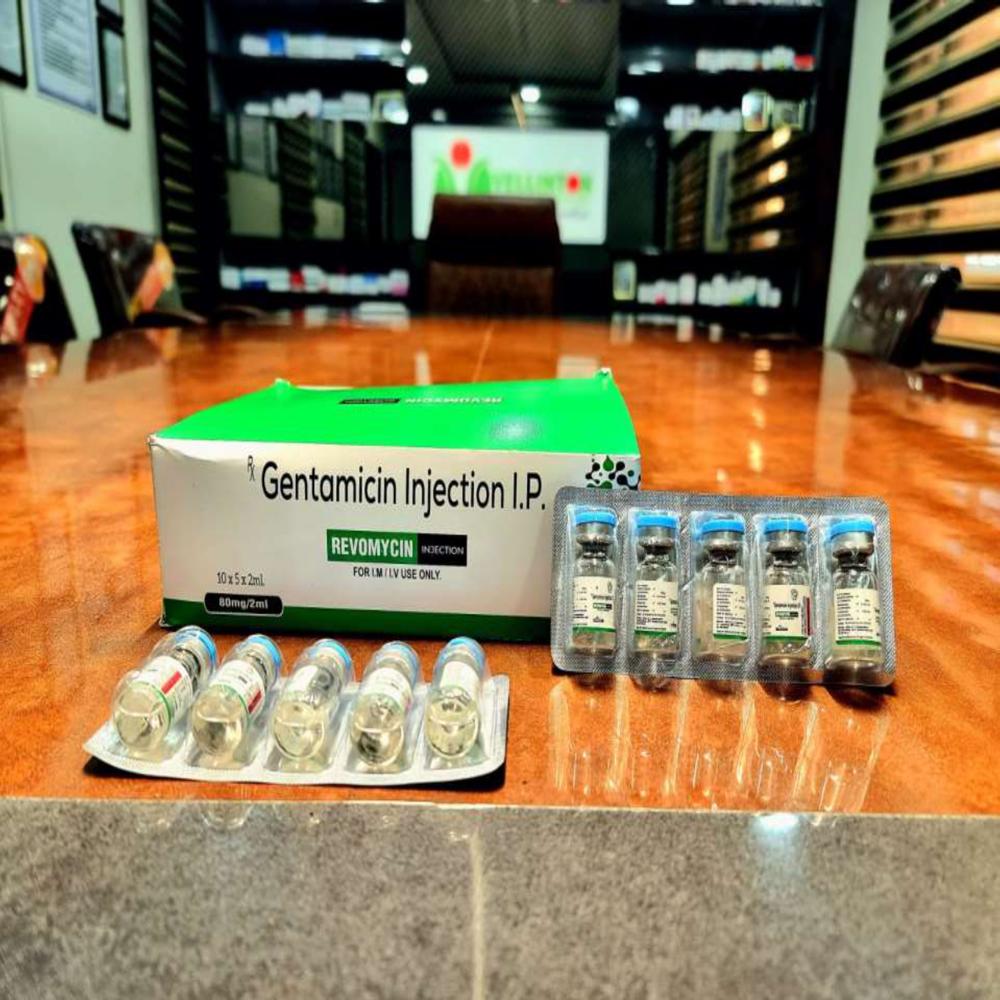
- Gentamycin Sulphate injection
- Adrenaline Bitartrte injection
- Ascorbic Acid injection
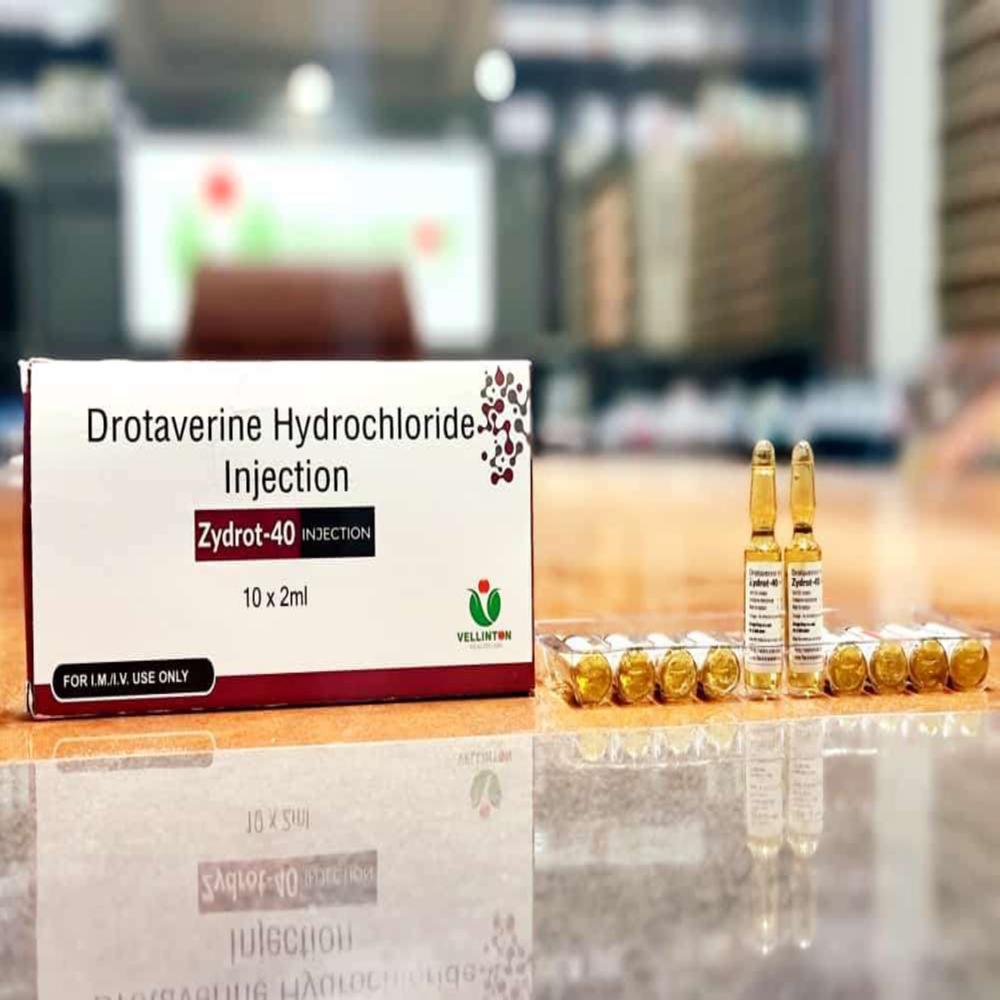
- Drotavarin HCL Injection
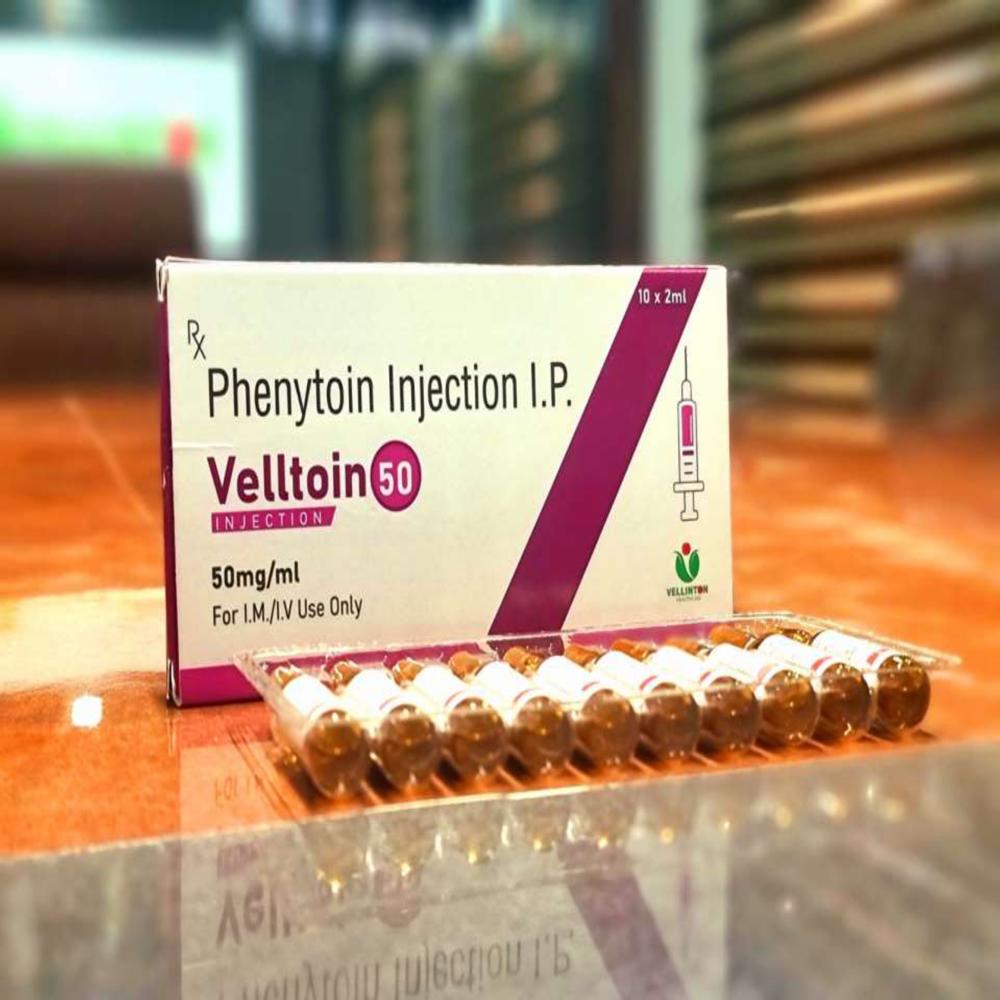
- Phenytoin Sodium Injection
- Piperacellin Tazobactam injection
- Cholcalciferol (Viitamin D-3) Injection
- Vancomycin Hydrochloride 1 Gm Injection
- Triamcinolone Acetonode 40 Mg Injection
- Cefoparazone 1 Gm + Sulbactam 500 Mg injection
- Paracetamol 300 mg / 2 ml Injection
- Diclofenac Sodium, Aqua injection
- Ketorolac injection
- Levocarnitine INJECTION
- Ceftriaxone + Tazobactam injection
- Clindamycin injection
- Amikacin Injection
- Labetalol Hcl 5 Mg Injection
- Acetycystein injection
- Hyoscine Butyl Bromide injection
- Adenosine injection
- Third Party Manufacturing
- Azithromycin injection
- Digoxin injection
- Omeprazole Injection
- Citicoline Injection
- Ondenstrone injection
- Ranitidine injection
- Vitamin C 150 Mg+Methycobalamine 2500 Mcg + Folic acid 0.7 Mg + Nicotinamide 12 Mg injection
- Lignocaine Injection
- Meropenem Injection
- Cefuroxime 1.5 Gm Injection
- Amikacin 250 Mg injection
- Amikacin 500 Mg Injection
- Cefotaxime 1000 Mg Injection
- Meropenem 1 Gm injection
- Diclofenac Sodium 50 Mg + Dicyclomine 20 MG injection
- Methyl Prednisolone 125 Mg Succinate
- Meropenem 250 Mg
- Best Injection Manufacturing Companies in india
- Pantoprazole Injection Manufacturer
- Third Party Pharma Manufacturing for Human Injecti
- Veterinary Products Range For Third Party Manufact
- PCD Pharma Franchise
- PCD Pharma Compines
- Lyophilized Injection Manufacturers in India
- Pharmaceutical Injections
- Third Party Manufacturing
- Manufacturing Company
- Our Divisions
- Contact Us

 Send Inquiry
Omeprazole Injection
Price 30000.0 INR/ Box
MOQ : 3000 Boxes
Omeprazole Injection Specification
- Composition
- Omeprazole Sodium
- Contraindications
- Hypersensitivity to omeprazole or substituted benzimidazoles
- Prescription/Non prescription
- Prescription
- Shelf Life
- 2 Years
- Molecular Weight
- 367.40 g/mol
- Route of Administration
- Intravenous (IV)
- Usage/Application
- Used for the treatment of gastroesophageal reflux disease (GERD), peptic ulcers, and Zollinger-Ellison syndrome
- Packaging Type
- Glass Vial
- Storage
- Store below 25C, protect from light
- Side Effects
- Headache, abdominal pain, nausea, vomiting
- Molecular Formula
- C17H18N3NaO3S
- Dosage Form
- Injection
- Reconstitution Instructions
- Reconstitute with 10 ml of solvent for IV injection
- Appearance
- White to off-white lyophilized powder
- Product Name
- Omeprazole Injection
- Diluent Required
- Use Sodium Chloride Injection or Dextrose Injection, as directed
- Indication
- Short-term treatment of active duodenal ulcer, healing of erosive esophagitis
- Strength
- 40 mg / vial
- Regulatory Approvals
- WHO-GMP, as applicable
- ATC Code
- A02BC01
- Compatibility
- Compatible with normal saline and 5% dextrose
Omeprazole Injection About
Omeprazole injection is a medication used to treat conditions where the stomach produces excessive acid. It is commonly prescribed for the short-term management of gastroesophageal reflux disease (GERD), peptic ulcers, and Zollinger-Ellison syndrome, a disorder causing excessive stomach acid. The injection works by inhibiting the proton pumps in the stomach lining, reducing acid production. It is often used in patients who cannot take oral medication or require fast-acting treatment. Omeprazole injection is also used in combination with antibiotics for the eradication of Helicobacter pylori infection, which contributes to ulcers. Its typically administered in a hospital setting under medical supervision.
Precise Intravenous Administration
Omeprazole Injection is administered intravenously after reconstitution, making it ideal for patients unable to take oral medications. Each vial is precisely formulated to deliver therapeutic efficacy in acute situations such as severe peptic ulcers or erosive esophagitis. Health professionals rely on its rapid onset of action in controlled clinical environments.
Broad Compatibility and Usage
Compatible with both normal saline and 5% dextrose, Omeprazole Injection can be integrated easily into various intravenous regimens. Its use stretches across the treatment spectrumfrom GERD to Zollinger-Ellison syndromeoffering clinicians choice and flexibility during acute gastric acid management.
International Quality and Safe Storage
Produced with WHO-GMP certification, Omeprazole Injection meets global regulatory requirements for safety and quality. It is commonly stored below 25C and protected from light, with a shelf life of up to 2 years, allowing for reliable supply in hospital, clinical, or export scenarios.
FAQs of Omeprazole Injection:
Q: How should Omeprazole Injection be reconstituted for intravenous use?
A: To prepare Omeprazole Injection for IV administration, reconstitute the lyophilized powder with 10 ml of sodium chloride injection or dextrose injection, as directed. Ensure the powder dissolves completely before use.Q: What are the main medical indications for Omeprazole Injection?
A: Omeprazole Injection is primarily indicated for short-term treatment of active duodenal ulcer, healing of erosive esophagitis, gastroesophageal reflux disease (GERD), and Zollinger-Ellison syndrome in situations where oral administration is not possible.Q: What are the potential side effects of Omeprazole Injection?
A: Common side effects include headache, abdominal pain, nausea, and vomiting. If you experience hypersensitivity reactions, such as rash or swelling, discontinue treatment and consult your healthcare provider immediately.Q: When should Omeprazole Injection be avoided?
A: Omeprazole Injection should not be used in individuals with known hypersensitivity to omeprazole, other substituted benzimidazoles, or any component of the formulation.Q: What is the process for administering Omeprazole Injection intravenously?
A: After reconstitution, Omeprazole Injection should be administered as a slow intravenous injection, as directed by a qualified healthcare professional, ensuring it is delivered safely within a clinical setting.Q: Where should Omeprazole Injection be stored for best efficacy?
A: Store the vials below 25C and protect them from light to maintain potency. Follow proper storage guidelines indicated on the packaging to ensure quality throughout the shelf life.Q: What are the clinical benefits of intravenous omeprazole over oral formulations?
A: Intravenous Omeprazole offers rapid acid suppression, particularly valuable in acute care settings or when oral administration is impractical, ensuring efficient management of serious gastric acid-related conditions.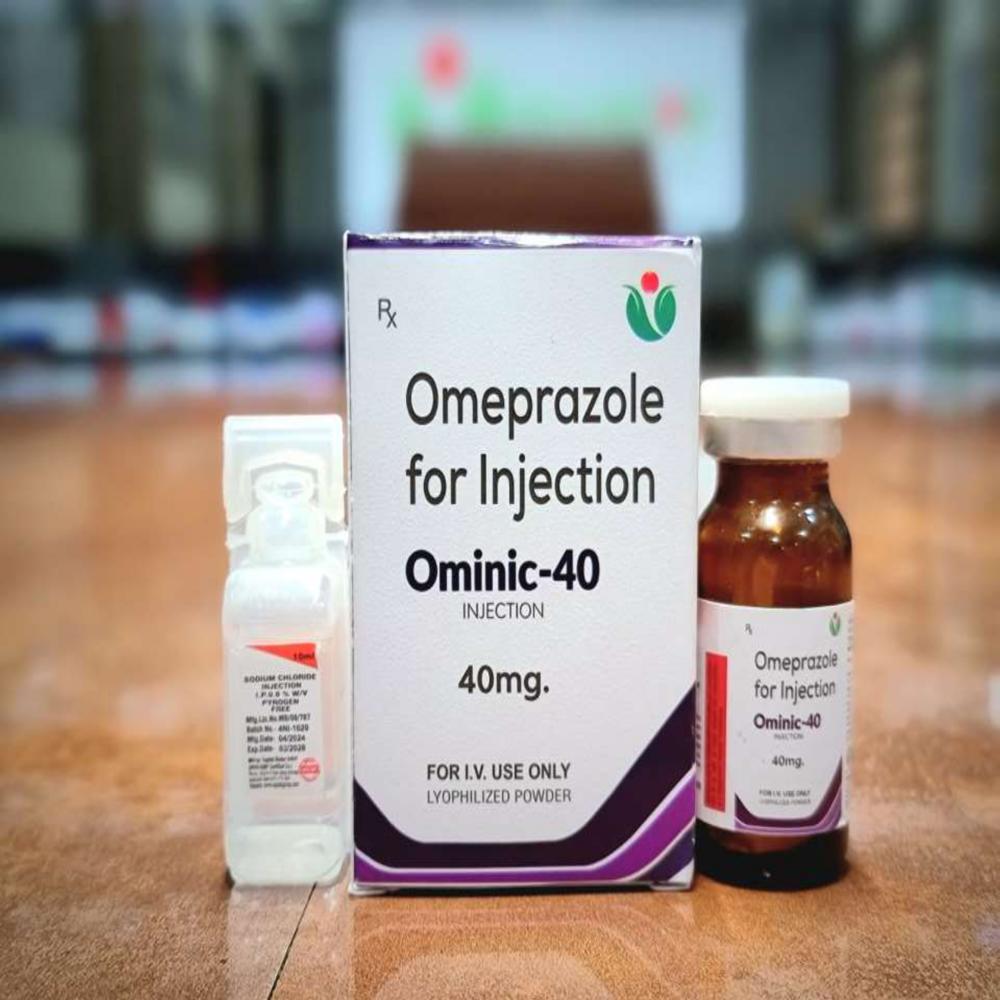
Tell us about your requirement

Price:
Quantity
Select Unit
- 50
- 100
- 200
- 250
- 500
- 1000+
Additional detail
Mobile number
Email

More Products in Third Party Manufacturing Category

Contact Details
VELLINTON HEALTHCARE
Kala Amb, Himachal Pradesh, India

- Trilokpur Road, Near Bala Sundri Palace, District Sirmour,Kala Amb - 173030, Himachal Pradesh, India
- Phone :08045812133
- Email : vellinton.bio1@gmail.com

- Ms Anita Arora (Marketing Manager)
- Mobile :08045812133
- vellinton.bio1@gmail.com
 Send Inquiry
 Send Inquiry
 Send SMS
|


Register As New Dealer
 |
VELLINTON HEALTHCARE
All Rights Reserved.(Terms of Use) Developed and Managed by Infocom Network Private Limited. |
